Pick the Boat You Will Actually Use
The right boat suits a fairly ordinary Saturday. The wrong one requires better weather, more crew and a different life.
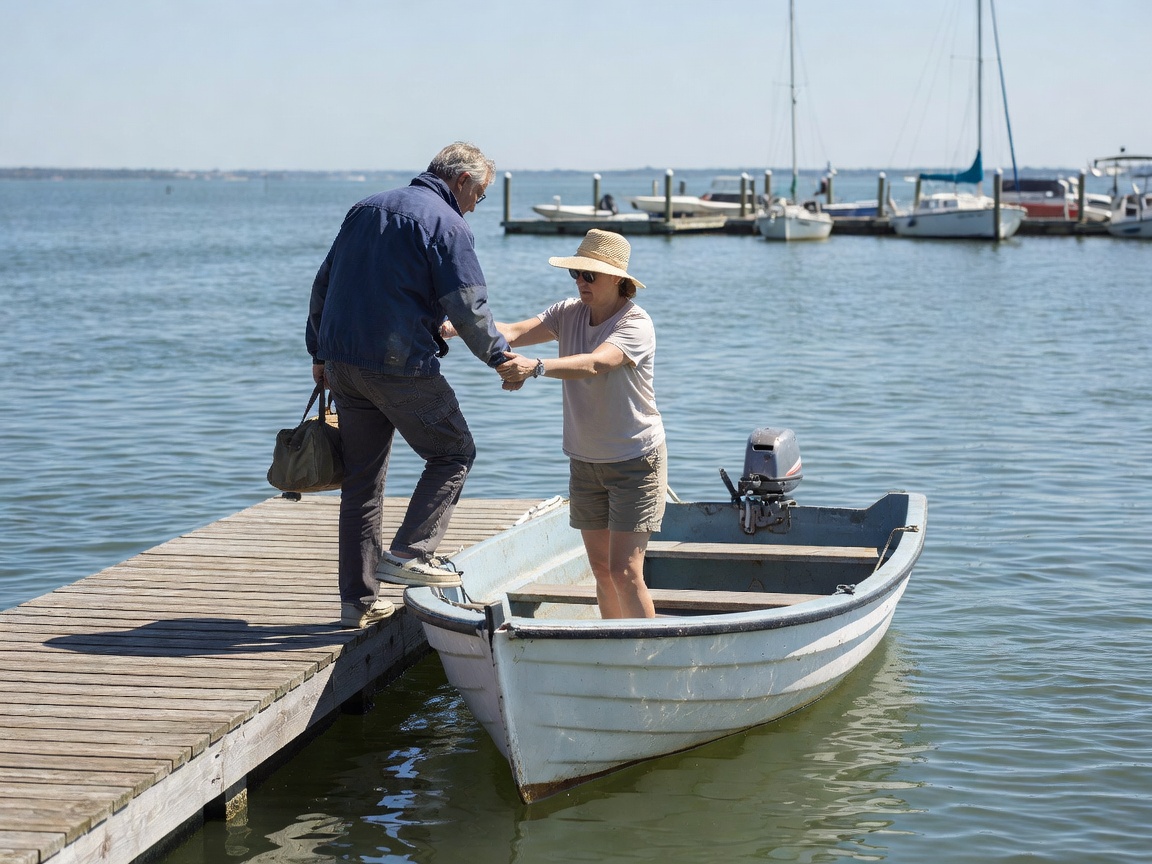
Write the day out before choosing the boat.
Describe your likely departure point, water, passengers and time available. Add the distance to storage and the effort of launching. These details are less glamorous than a bow profile and considerably more influential.
Then arrange a supervised trial or appropriate training. Check boarding, seating, visibility, line handling and access to routine service points. Try the practical bits while the boat is still someone else’s responsibility.
Open boats & runabouts
Often a practical starting point for day trips, visiting nearby shores or taking friends out in suitable conditions. A smaller boat can mean less cleaning, simpler systems and easier storage.
The trade-off is exposure. Shade, shelter, dry stowage and comfortable seating deserve more attention than another shiny fitting.
Check passenger and load limits, suitable operating conditions, reboarding arrangements and the manufacturer’s guidance.
Inflatables & rigid inflatables
Useful as tenders and for some local trips, depending on design and equipment. Tubes can provide useful buoyancy and a forgiving edge alongside a dock.
Portability varies. A substantial rigid inflatable with an engine is not luggage merely because part of it contains air. Account for trailer, lifting, tube care and secure storage.
Dinghies & sailing boats
A sailing dinghy offers direct feedback and relatively few systems. A cabin sailing boat adds shelter and possible overnight stays, along with rigging, auxiliary machinery and more maintenance.
Sailing asks for skills, time and a realistic view of your crew’s interest. Not everyone who enjoys lunch aboard wants a role in the tack.
Match training and equipment to the boat and water. Small-boat sailing may require capsize and recovery skills.
Fishing boats & cabin cruisers
Fishing layouts prioritise working space, stowage and access around the boat. Cabin cruisers favour shelter and longer stays. Some boats combine both; the floor space does not magically double.
Consider safe movement, engine access, ventilation and cleaning. Extra accommodation brings extra plumbing, electrics and opportunities to spend a morning with a manual.
Different boats. Different concessions.
These are broad tendencies, not promises about any particular model. Check the actual vessel, its limits and the conditions where you plan to use it.
| Category | Often suits | Main compromise | Check before buying |
|---|---|---|---|
| Small open boat | Short day trips in suitable waters | Limited shelter and storage | Loading, freeboard, boarding and weather limits |
| Inflatable or RIB | Tender duties and local outings appropriate to its design | Tube care, exposure and variable portability | Seams, valves, rated capacity and launch arrangements |
| Sailing dinghy | Active sailing and skills development | Physical involvement and little shelter | Rig condition, recovery method and crew suitability |
| Cabin sailing boat | Sailing trips with potential overnight stays | Rig, systems and berth requirements | Standing rigging, engine, hull and cabin condition |
| Fishing boat | Angling with a suitable working layout | Comfort and accommodation may be secondary | Deck drainage, access, stability and equipment layout |
| Motor cruiser | Sheltered accommodation and longer outings | More systems, fuel use and storage cost | Machinery, service history, handling and total annual costs |
A category name is not a safety rating. Verify local requirements, vessel documentation, operating limits and insurance conditions. Use a qualified marine surveyor where appropriate.
Before you fall for the upholstery.
Check where it will live and what a normal year will cost. If the ownership arrangement makes every outing difficult, a more impressive boat will not improve the arrangement.
Consider the Ownership