The Purchase Was Merely the Opening Act
Owning a boat is perfectly manageable when the time, money and logistics fit. Optimism is pleasant company, but a poor maintenance reserve.
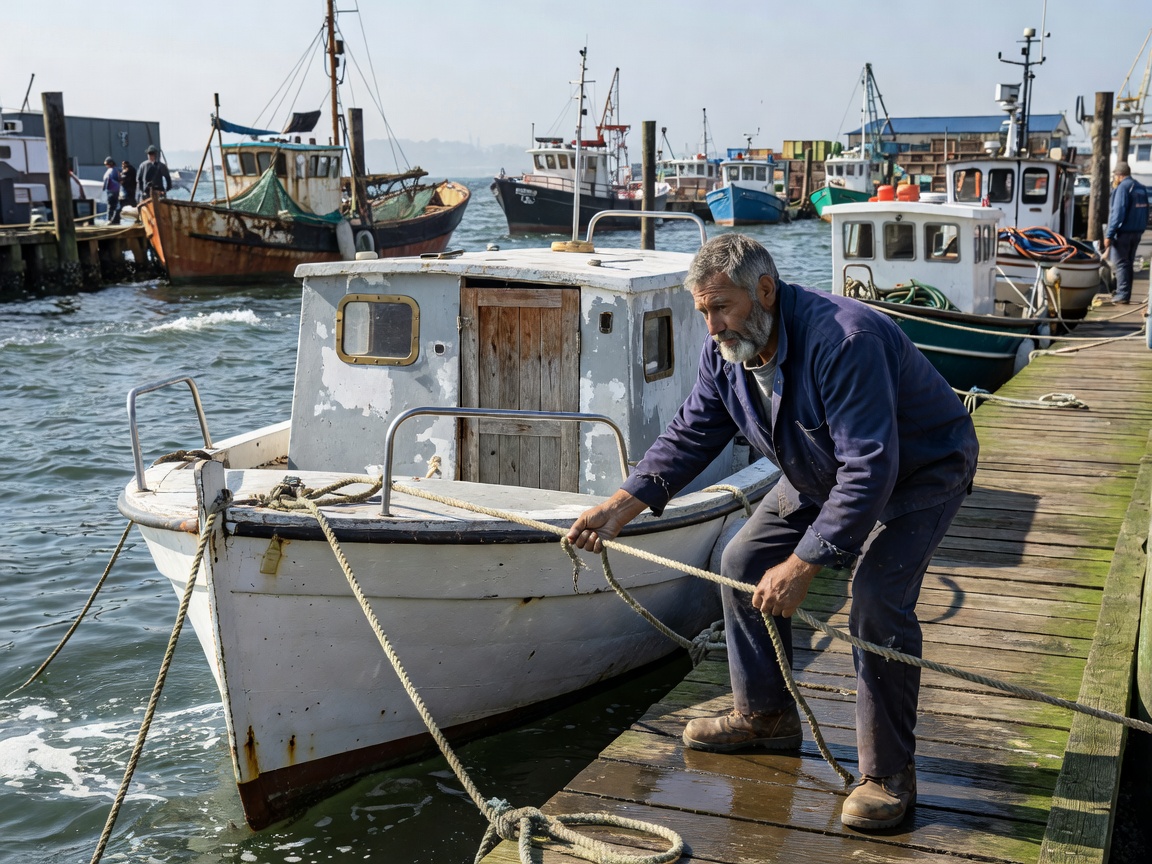
Budget for the boat you are buying.
Generic annual cost rules can miss the important parts. A simple trailer boat and an older cruiser with several onboard systems do not share a financial personality.
Ask for local quotes against the actual boat’s dimensions, engine, condition and intended use. Separate predictable annual spending from repairs that are possible but not conveniently scheduled.
Storage is part of the purchase.
Confirm berth or mooring availability before committing. Ask about access, utilities, security, haul-out arrangements and any restrictions on working aboard.
Trailer storage needs suitable space, a compatible tow vehicle and a workable launch route. Check towing rules, weights and ramp access rather than relying on “it should be fine.”
Build a complete running budget.
- Berthing, mooring, storage and launching charges.
- Insurance appropriate to your boat, waters and use.
- Fuel, servicing, consumables and planned replacements.
- Haul-outs, hull care and seasonal preparation.
- Training, required documentation and safety equipment.
- A separate allowance for unexpected repairs.
Get figures in writing where possible, including taxes and what each quote excludes.
Inspect the history and the boat.
Review ownership documents, relevant registration, service records and any finance or title checks appropriate to the jurisdiction. A tidy folder helps. It does not replace an inspection.
Agree the scope of an independent survey and machinery inspection with qualified professionals. Arrange a suitable trial and understand any conditions before making a binding commitment.
Survey scope and limitations vary. Confirm what is excluded, and seek local legal or specialist advice for the transaction when needed.
Allow time for the edges.
A day afloat includes travel, loading, checks, departure, return and cleaning. Maintenance needs its own time rather than borrowing it indefinitely from the next trip.
Ask who will help, which jobs require a yard and how the boat will be checked while you are away. The sea view is not an attendance system.
A short list before a long commitment.
- Describe the trips you expect to make and the crew you will realistically have.
- Confirm a practical storage and launch arrangement.
- Obtain insurance, servicing and storage quotes for the actual vessel.
- Review documentation and commission appropriate independent inspections.
- Identify immediate work, replacement items and the funds available for them.
- Check local rules, operating qualifications and equipment requirements.
This is general planning information, not a valuation or financial, insurance or legal recommendation. Costs and obligations depend on the vessel and jurisdiction.
Ownership is not the only way aboard.
Lessons, club boats, chartering or a carefully documented shared arrangement may suit occasional boating better. Compare the actual costs and responsibilities. There is no prize for paying year-round for a boat you use reluctantly.
See the Routine Work